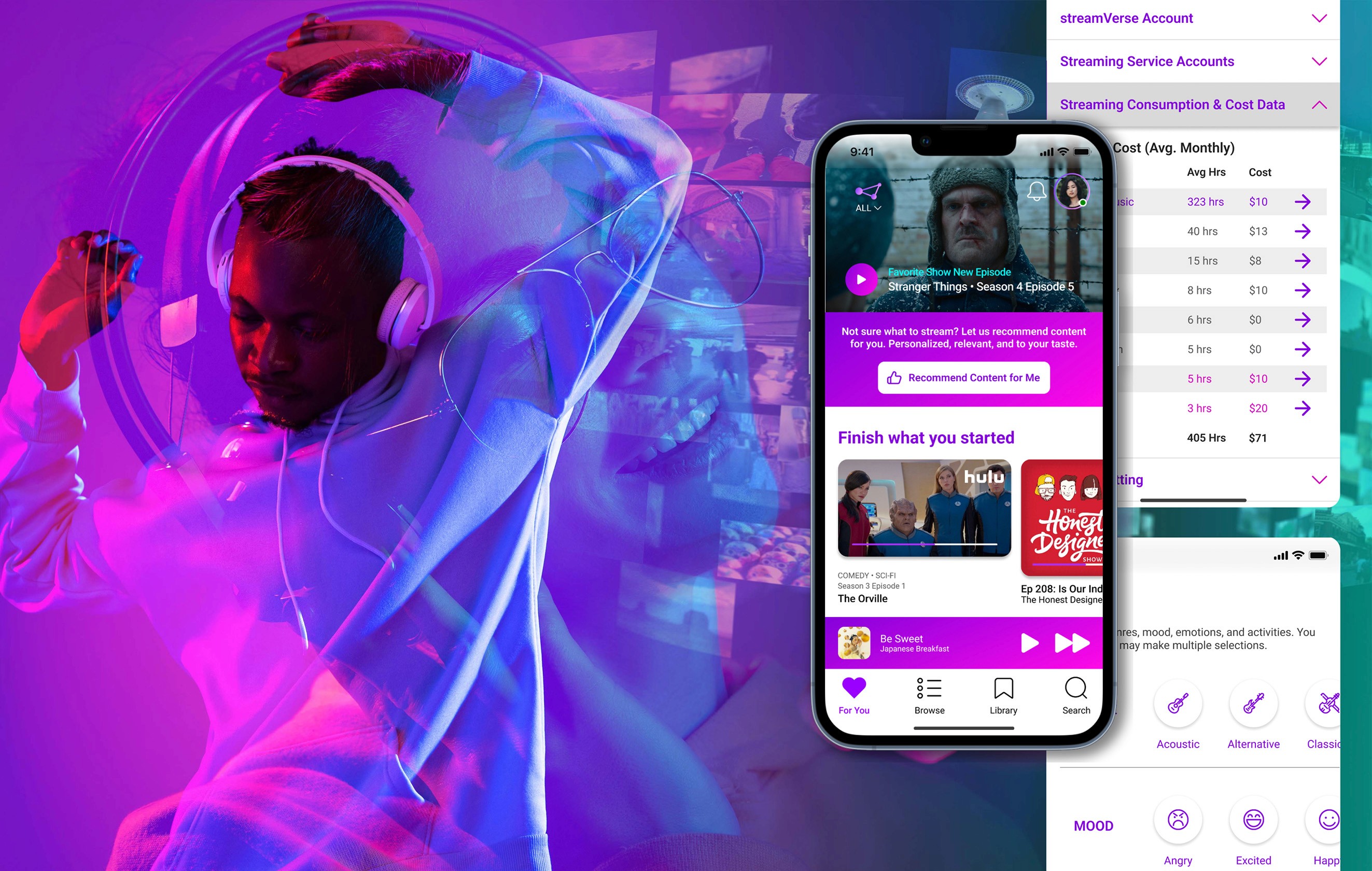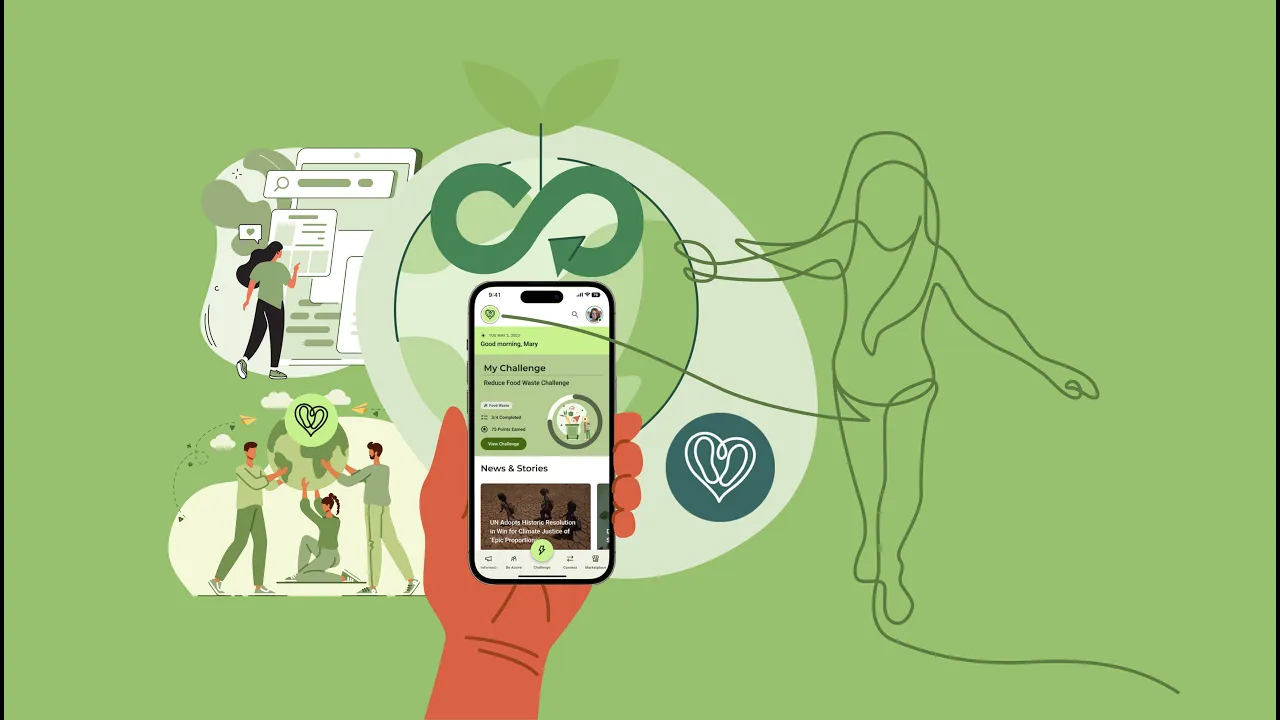

A digital platform designed to help people take meaningful action on global issues through small, achievable steps integrated into everyday life. By combining education, guided actions, progress tracking, and community engagement, the platform encourages sustained participation and makes social impact feel more accessible and attainable.
00
problem
People care deeply about global issues such as climate change, poverty, and inequality, but many struggle to turn awareness into meaningful and sustained action due to feelings of overwhelm, uncertainty, and a lack of accessible starting points. Individuals who want to contribute are often hindered by fragmented information and the belief that their efforts are too small to make an impact, leading to declining engagement and missed opportunities for collective social change.
solution
One Small Step is a digital platform designed to help individuals take meaningful action on global issues through small, achievable steps integrated into everyday life. By combining education, guided actions, progress tracking, and community engagement, the platform encourages sustained participation and makes social impact feel more accessible and attainable.
One Small Step is a conceptual digital platform designed to help individuals take meaningful action on global issues through small, achievable everyday steps. Created as my graduate capstone project for the Master of Professional Studies in User Experience Design at Maryland Institute College of Art (MICA), the project explored how behavioral design, education, and community engagement can encourage sustained participation and reduce the gap between awareness and action. The experience was designed to make social impact feel more accessible, empowering, and attainable for everyday people.

I was inspired to take on this project by a recurring question: why do so many people care about global issues, yet struggle to take meaningful action? As I explored challenges such as climate change, poverty, and inequality, I noticed many people felt overwhelmed by the scale of these problems and uncertain whether their individual efforts could make a difference. One Small Step became an opportunity to explore how design and technology could reduce that barrier by making social impact feel more accessible, achievable, and integrated into everyday life.
Assumptions
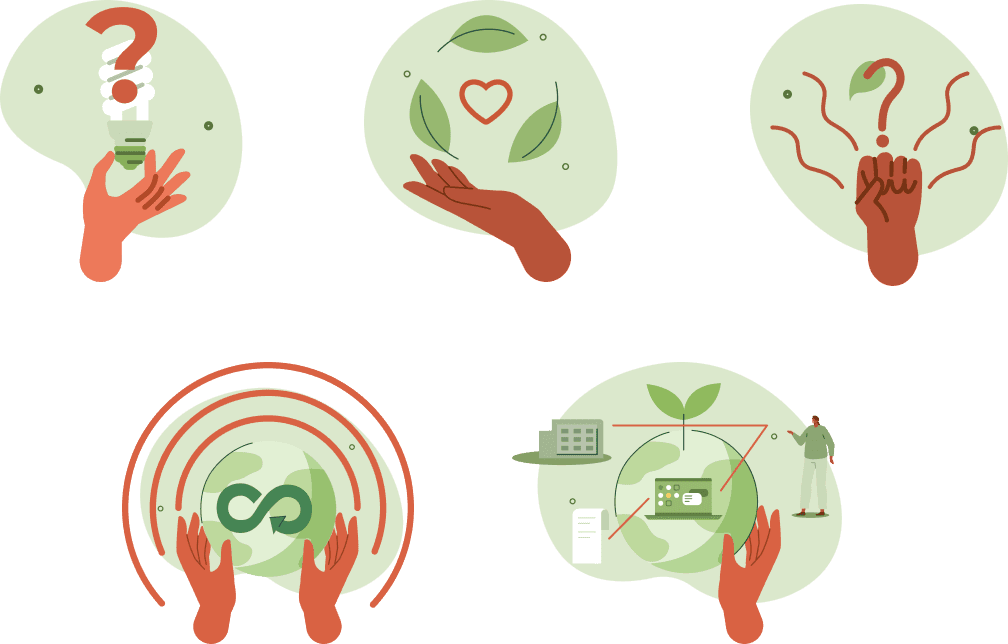
Lack of knowledge/education
People care and want to be active
Not motivated, challenged, or inspired enough
Overwhelmed by the enormity of global issues
No singular platform that bridges resources & people
Hypothesis
People who are educated about global issues and have access to resources to contribute to causes are more likely to be motivated to be actively involved in fighting climate change, poverty, inequality, and other global issues.
Research & Discovery
The project began with exploratory research focused on understanding:
Why people struggle to engage with global issues
What motivates long-term participation
Which barriers prevent action
How digital experiences can encourage behavioral change
Research methods included:
User interviews
Surveys
Competitive analysis
Behavioral and motivational research
Journey mapping
Key Insights
People want to help—but often feel overwhelmed.
Users expressed strong interest in contributing to social and environmental causes, but many felt uncertain about where to begin or whether their efforts would matter.
Motivation declines when impact feels invisible.
When people couldn’t see progress or outcomes, engagement dropped quickly.
Accessibility matters more than ambition.
People responded more positively to smaller, achievable actions than large commitments requiring major lifestyle changes.
Education alone is not enough.
Awareness did not automatically translate into action. Users needed guidance, structure, and encouragement to sustain participation.
Challenges

How might we make individuals feel empowered and motivated to take an active role in contributing to addressing and solving global issues?
Designing the Experience
The platform was designed around five core principles:

Make Action Feel Achievable
Lower the barrier to entry through realistic, manageable tasks.
Reduce Emotional Overwhelm
Present information progressively rather than flooding users with complex issues.
Reinforce Progress
Use milestones and visible impact indicators to encourage continued participation.
Design for Everyday Life
Integrate actions naturally into users’ routines and lifestyles.
Encourage Long-Term Engagement
Create systems that support habit-building rather than one-time participation.
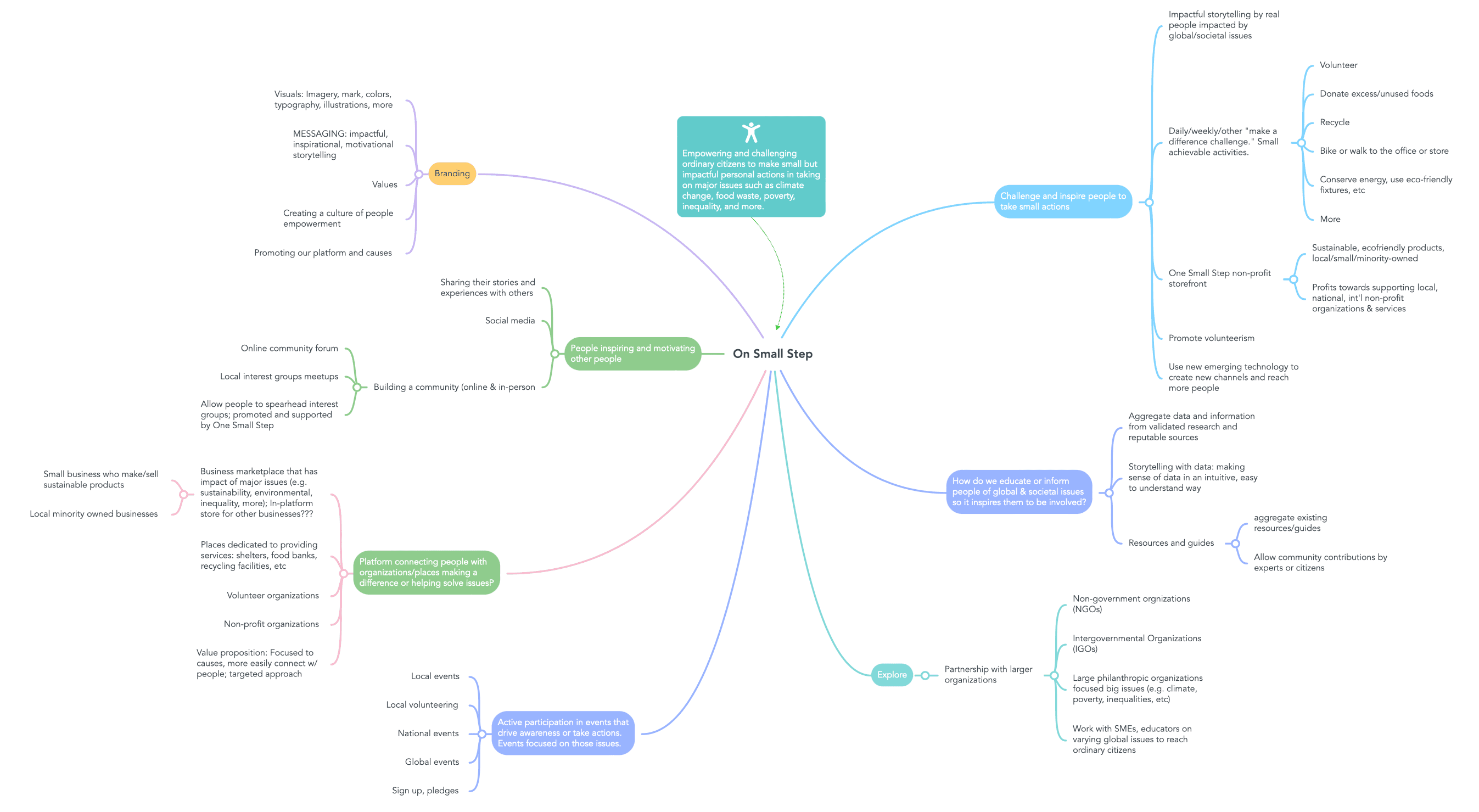
Mindmapping the Solutions
With the insights I’ve gained through research, I did a mind mapping exercise to come up with solutions by breaking them into different areas of opportunities that ties back to barriers that people have faced in becoming more active.
Designing the Solutions
Sketching solutions was an important part of the design process as it enabled me to quickly generate and explore a wide range of ideas, iterate, and easily refine the design.
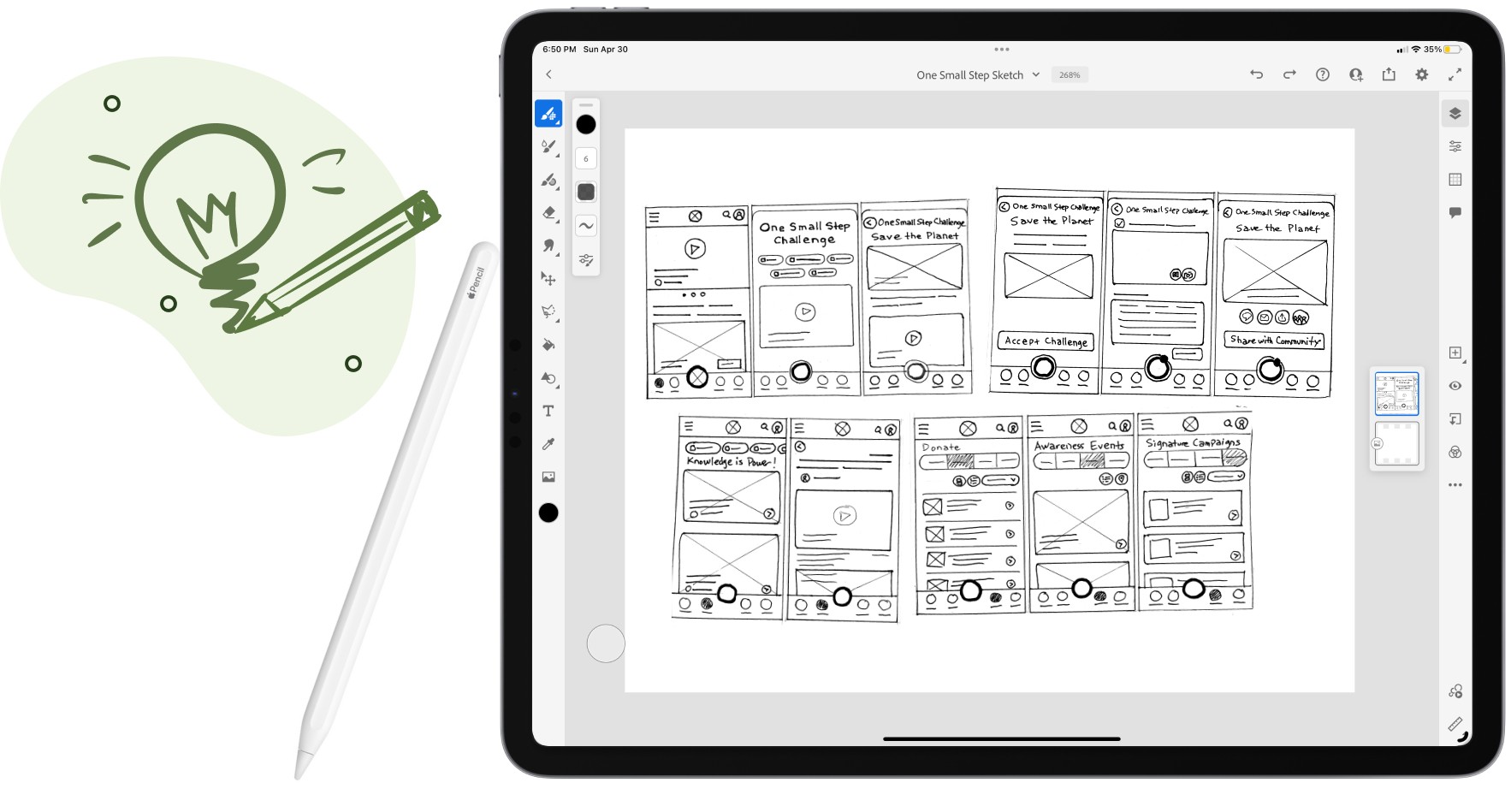
In early-stage prototyping, I further explored and tested different ideas and concepts with low-fidelity designs. I quickly identified areas that needed further development or refinement, while also uncovering potential issues or opportunities that were not apparent in during the sketching phase.

This workflow enabled me to map the flow of screens and user interactions with the primary features of the app. Seeing the bigger picture helped me see gaps and redundancies enabling me to further refine and address issues in the flow before moving forward to a higher fidelity of design.
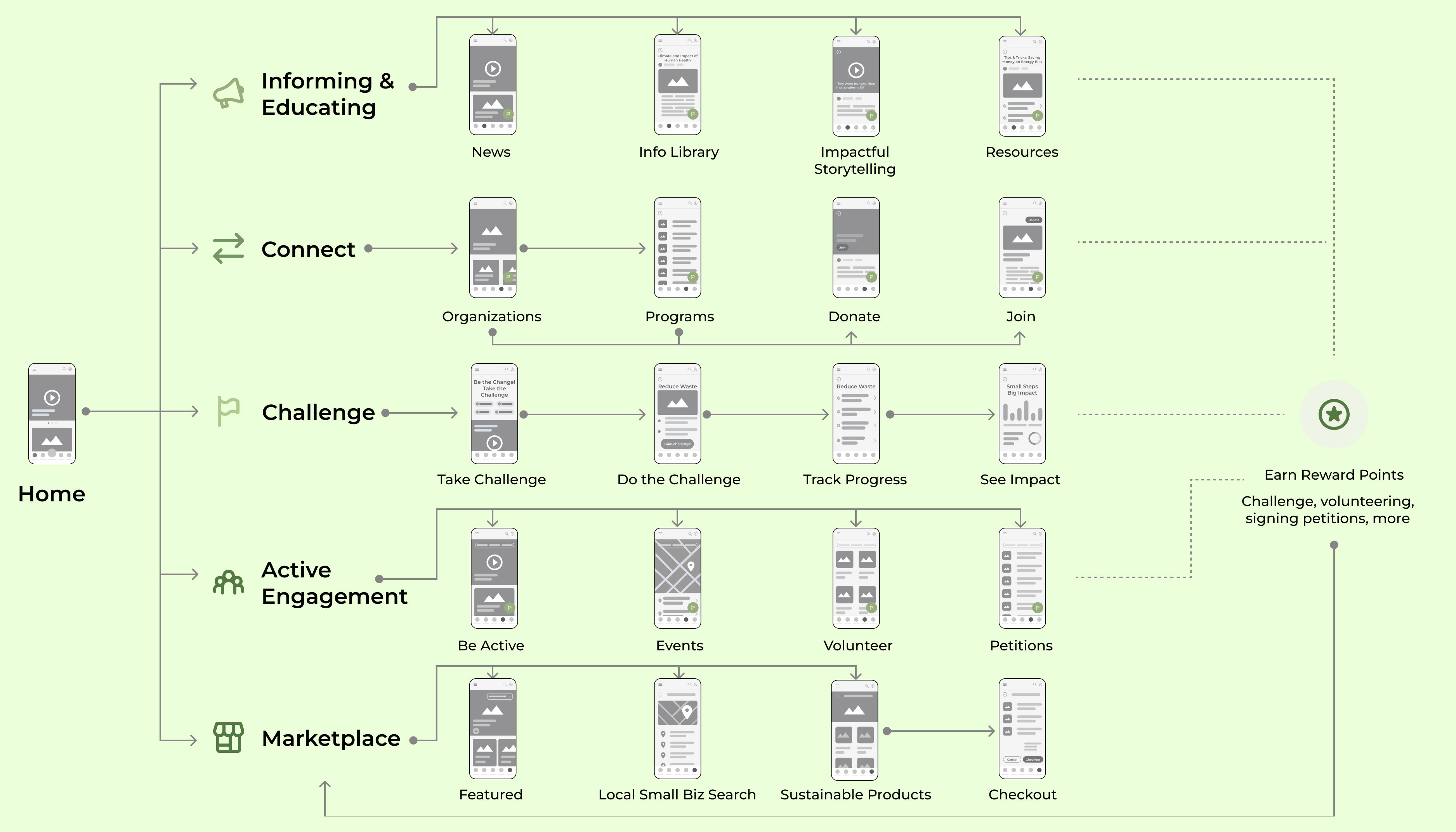
Defining the Focus and Scope

While I explored developing people-organizations connection and the marketplace, due to the lack of research in the area and the concept value has yet to be validated, I decided to move forward with the ideas—issues and solutions—with the most opportunities.
Focused Issues.
Climate/Environment, Hunger & Poverty, Sustainable Consumption
Focused Solutions.
Informing and Educating, Challenging and Motivating, Active Engagement
Key Features
Challenge
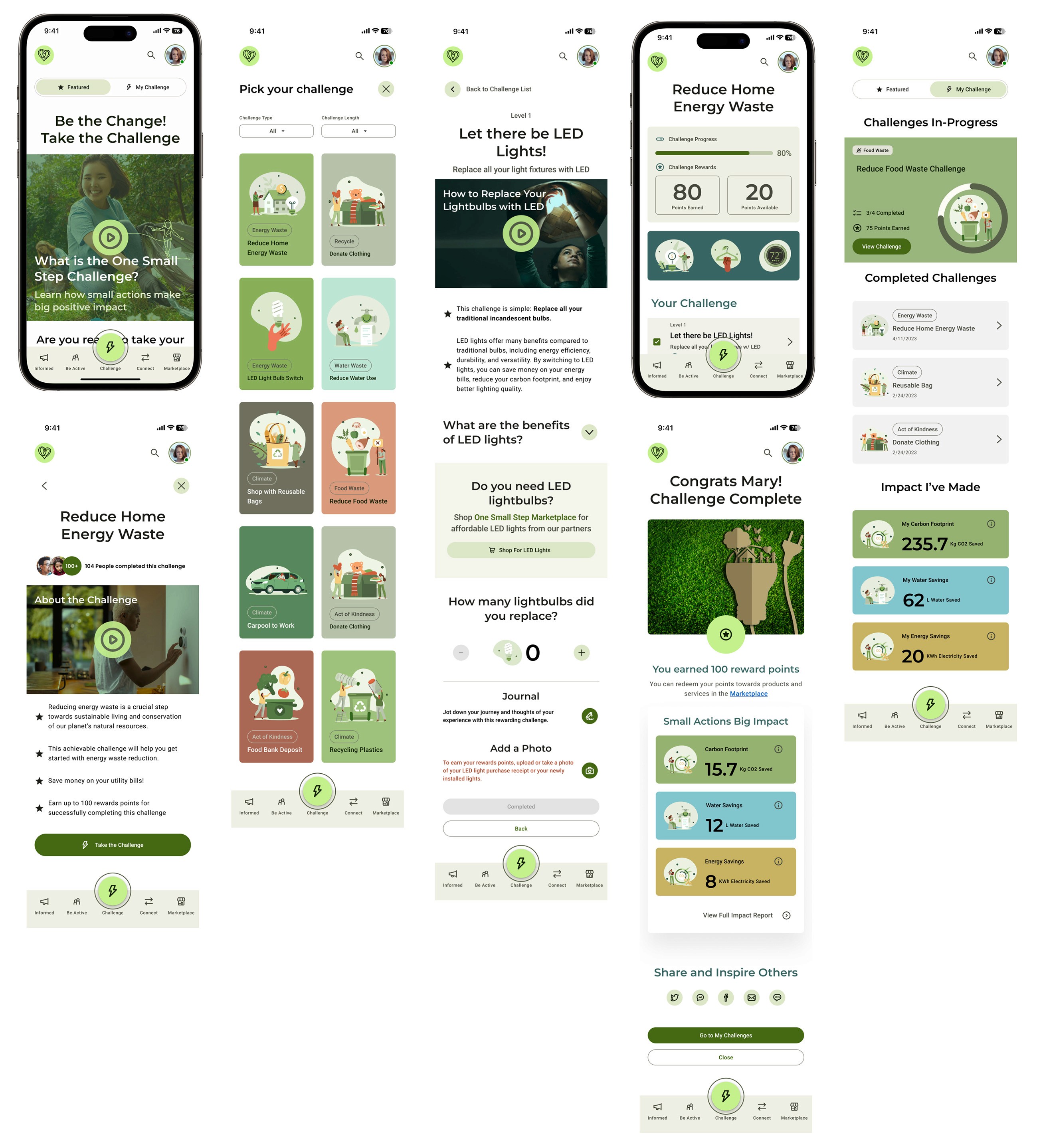
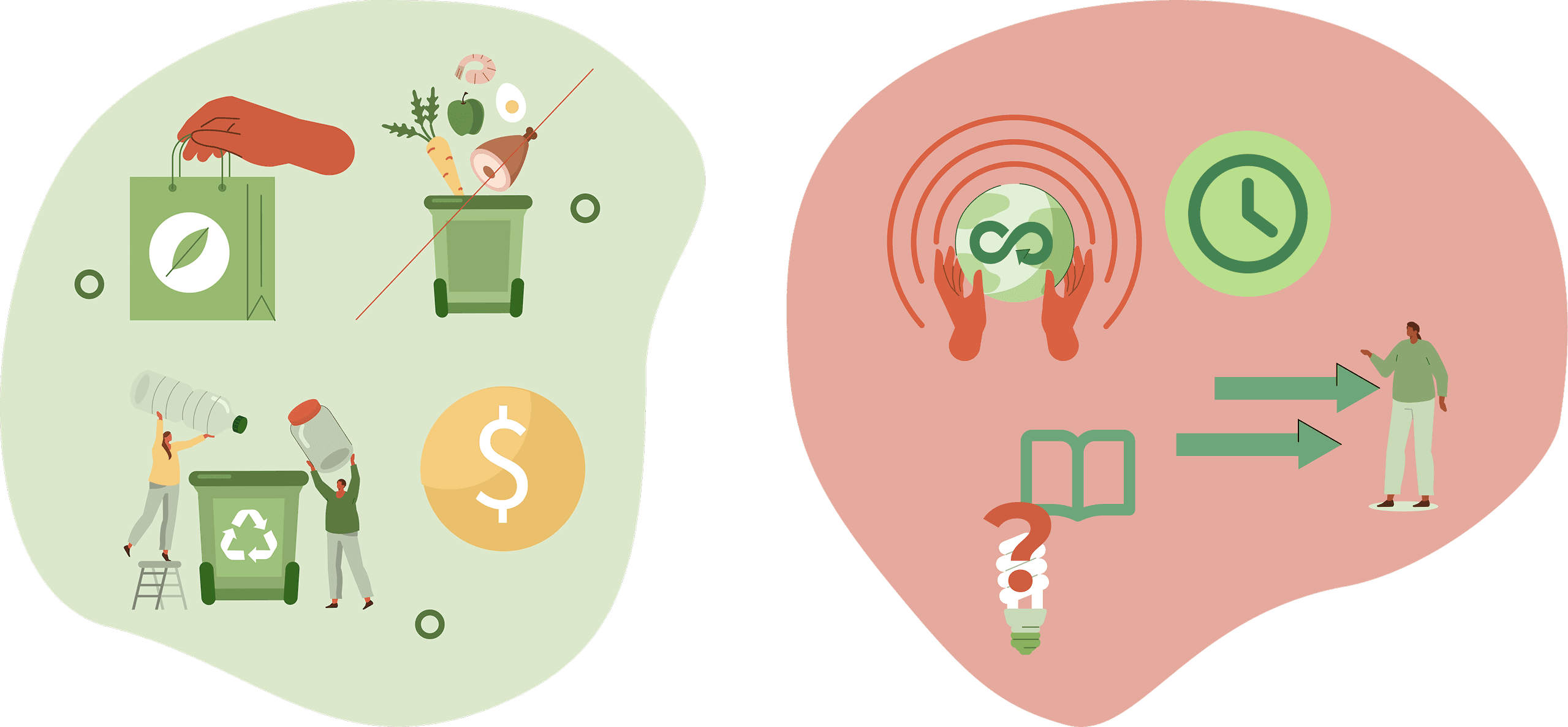
Small challenges (e.g., recycling, reducing food and energy waste, volunteering)
Gamified challenges—levels, rewards, progress, engagements, and achievements
See the impact of your actions—reduced carbon footprint, water/energy saved, number of people fed, and more
Inform & Educate
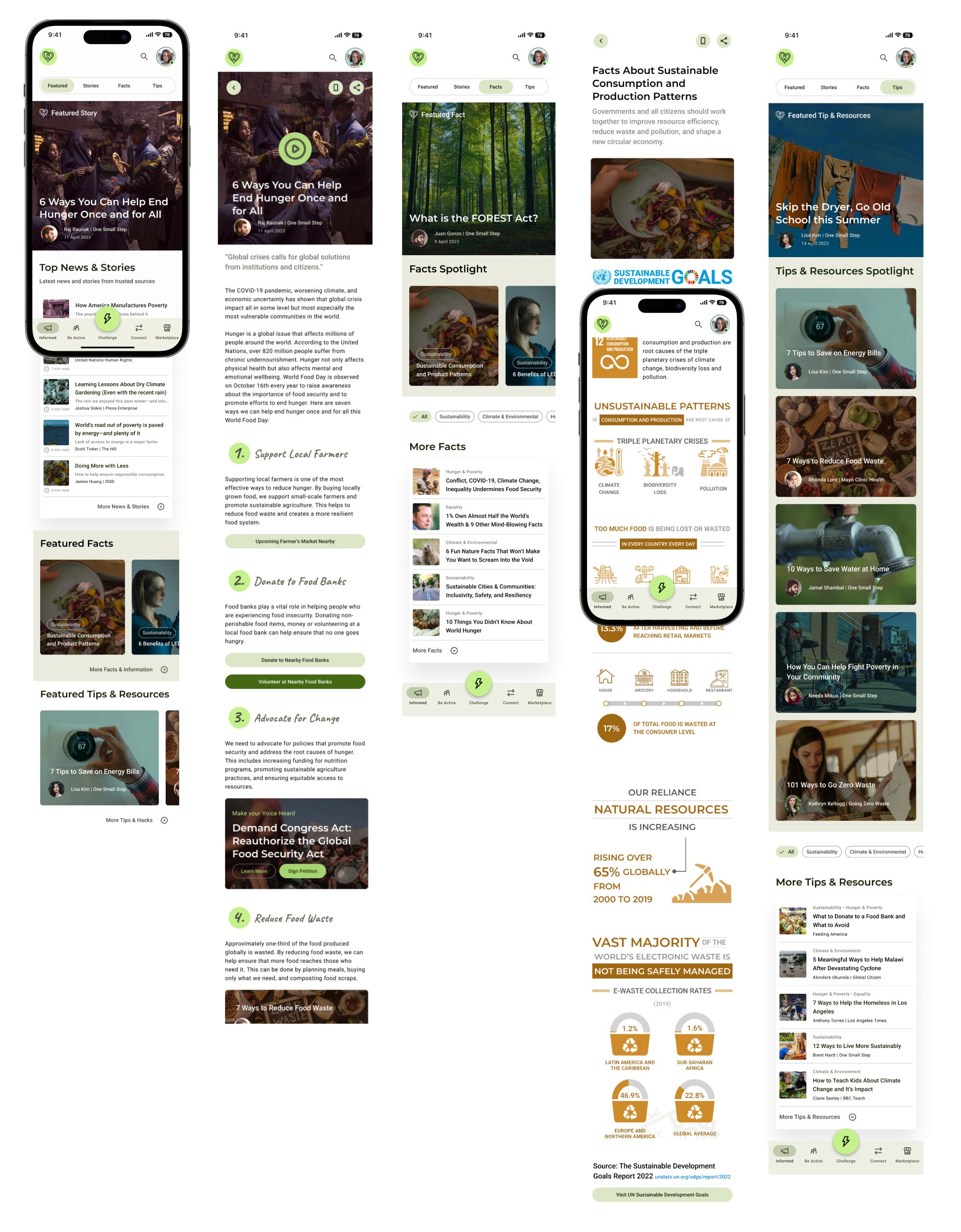
Stories—real people with real experiences and the impact issues had in their lives
Facts—trusted and factual information from trusted sources
Valuable resources like tips and tricks to saving on energy bills, and more
Active Engagement
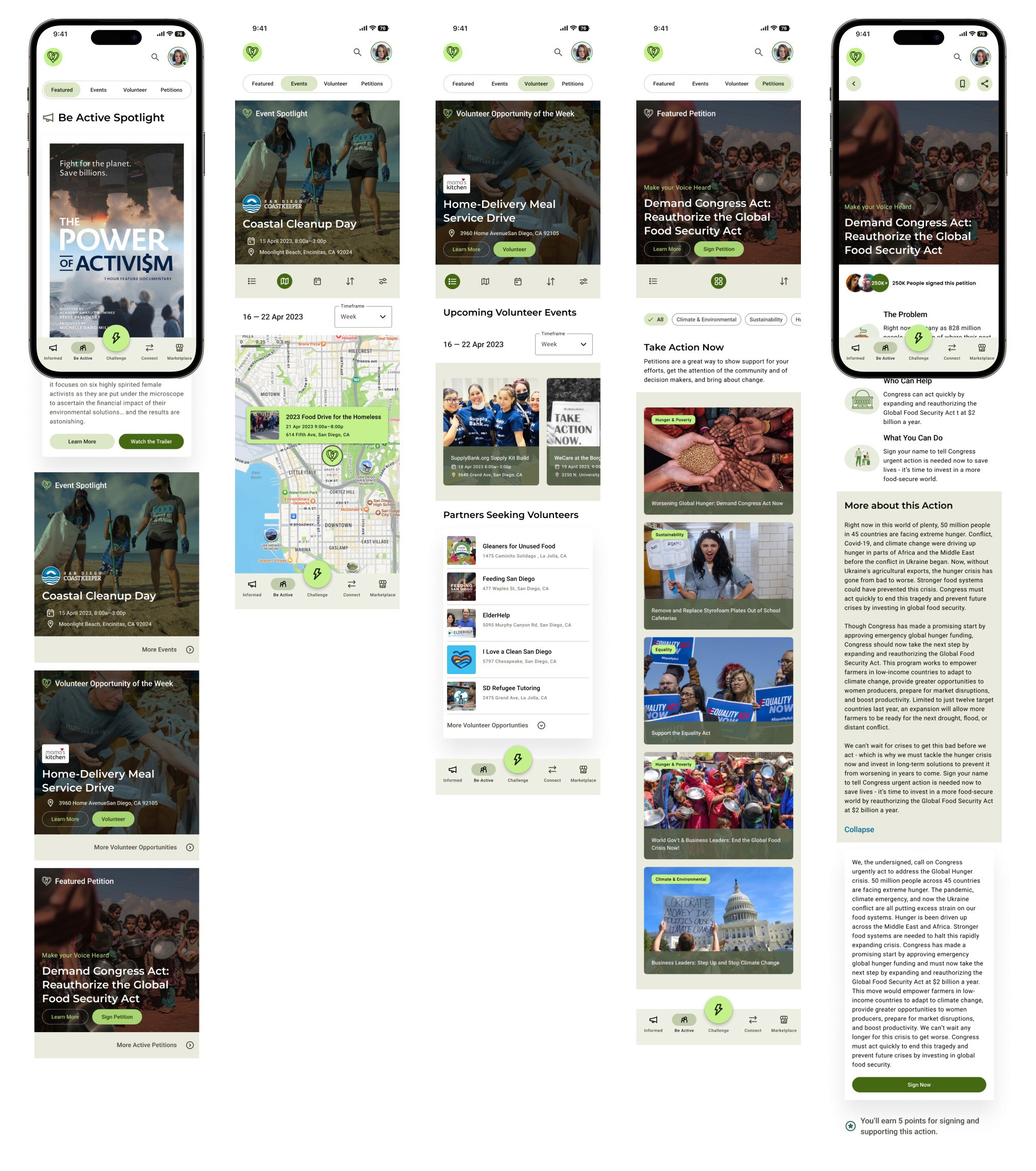
See and sign up for nearby events—beach cleanups, fundraisers, food banks
Sign up for volunteer opportunities with partner local organizations
Advocate for policy and change and actions through petitions—make your voices heard
Outcomes
While One Small Step was developed as a conceptual graduate capstone project, the work demonstrated how behavioral design and user-centered product strategy can support long-term engagement around complex societal issues.
The project strengthened my approach to:
Systems thinking
Behavioral UX
Research-driven design
Product strategy
Designing for motivation and habit formation
More importantly, it reinforced the idea that impactful product experiences are not only about usability—but about helping people feel capable, informed, and empowered to act.
Reflection
Looking back, One Small Step became foundational to how I think about product design today.
The project taught me that successful experiences are rarely about pushing users harder—they’re about reducing friction, building confidence, and designing around realistic human behavior.
It also shaped my long-term interest in designing solutions that delivers outcomes, human empowerment, and meaningful engagement at scale—principles that continue to influence my work today across enterprise, government, and AI-driven product ecosystems.
year
2023
role
UX Designer & Researcher
timeframe
17 Jan - 2 May 2023
tools
Figma, Miro, ClickUp, Zoom, Adobe Creative Cloud
01

02

03

see also